


- Is YouTube Social Media? The Real Answer for 2026
- Is YouTube Considered a Social Media Platform in 2026?
- Why the Debate Exists
- YouTube’s Social Features in 2026
- Community and Engagement
- YouTube Formats: Shorts and Long-Form Video
- Live Interaction and Audience Scale
- YouTube from a Digital Marketing Perspective
- Monetization and the Creator Economy
- YouTube vs the Competition in 2026
- The Real Strategic Answer: YouTube in 2026
- Frequently Asked Questions
- Is YouTube Social Media or Just a Discovery Platform?
- Why is YouTube different from TikTok?
- Does YouTube count as social media for marketing?
- Is YouTube better for long-form content?
- How should businesses use YouTube in 2026?
- What makes a platform “social media”?
- How YouTube fits the definition
- Differences from other social networks
- Creator tools and community features
- Comparisons: TikTok, Instagram Reels, WhatsApp and other platforms
- Audience and reach in 2026
- Practical advice if you use YouTube as social media
- Conclusion
Is YouTube Social Media? The Real Answer for 2026
TL;DR — Quick Answer: Yes, youtube is social media. By every functional definition—user-generated content, social interaction, community posts, subscriptions, and live events—YouTube qualifies. YouTube counts as social media for strategy, marketing, and platform planning, alongside other popular social media like TikTok. And YouTube is considered one of the most powerful hybrid platforms on the internet, blending search-engine reach with strong community features.
Is YouTube Considered a Social Media Platform in 2026?
Any platform that enables users to create, share, and interact with content while building community relationships qualifies as social media. YouTube meets every part of that definition. What makes it distinct is its hybrid architecture—it combines the discovery power of a search engine with the community depth of a social network, creating something no competitor fully replicates.
Here is why YouTube fits this category in 2026:
- User-Generated Content: Every video on YouTube is created by its users—from solo creators in their bedrooms to major global brands.
- Engagement & Interaction: Likes, comments, shares, and polls are native to every video. Viewers don’t just watch—they participate.
- Subscription Model: Channel relationships let audiences follow creators the same way they follow accounts on any other network.
- Community Posts: The Community tab gives creators a dedicated content feed for text updates, polls, and images between video uploads.
- Live Streaming: Real-time broadcasts with live chat and viewer donations function identically to features on competing platforms.
- The Creator Ecosystem on YouTube is robust, offering opportunities similar to those found on popular social media platforms like TikTok and Instagram. A mature, billion-dollar creator economy has been built entirely on YouTube’s infrastructure.
- Monetization & Memberships: Multiple revenue streams—ads, channel memberships, Super Thanks—make YouTube a fully operational creator economy.
Why the Debate Exists
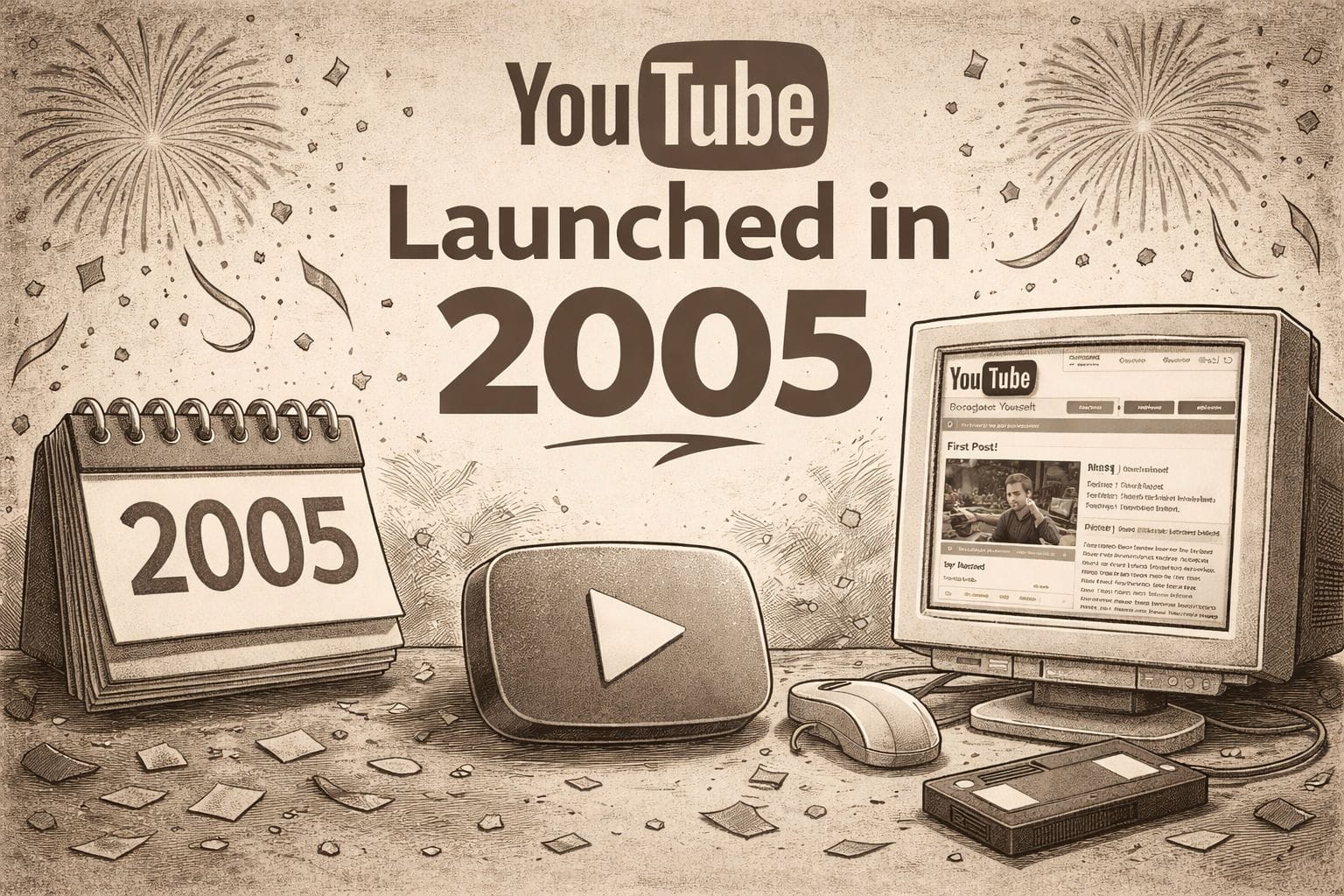
YouTube launched in 2005 as a video hosting platform. You uploaded a clip; people watched it. That original identity—a neutral repository for video—stuck in the public mind for years, even as the platform evolved into something far more sophisticated.
Part of the confusion comes from YouTube’s dual identity. It processes billions of queries every month, functioning as one of the world’s most-used discovery engines. That alone sets it apart from every other platform in this category. But it also runs an interest-driven feed powered by subscriptions, algorithms, and community signals. Most platforms do one or the other. YouTube does both.
Compare YouTube to platforms like Facebook and the structural differences become clear. Facebook is built around who you know. YouTube is built around what you’re interested in. That rival is purpose-built for rapid algorithmic virality. These are real differences—but they don’t remove YouTube from the social media category. They simply place it in a distinct tier within it.
As of now, those lines continue to blur. Meta has doubled down on video. Newer rivals have added longer formats and creator payout programs. The platforms are converging—which makes the question of classification both more nuanced and more strategically important than ever.
YouTube’s Social Features in 2026
Community and Engagement
YouTube’s community features run deeper than most marketers assume. YouTube’s platform infrastructure includes a Community tab that functions like a standalone creator feed—with polls, text updates, images, and behind-the-scenes content between uploads, maintaining a continuous conversation with their audience.
Paid subscriber tiers let community members access exclusive content, badges, and perks—creating layered community structures that most traditional networks don’t offer. Creators can pin comments, host Q&As, and use engagement data to shape what they produce next. The result is an audience relationship that rivals anything built on a dedicated network.
YouTube Formats: Shorts and Long-Form Video
YouTube Shorts launched in 2021 and became a dominant short-form discovery engine. Shorts are now deeply integrated into the main feed, recommendation algorithm, and revenue structure. Creators who publish both formats see compounding returns: Shorts expand reach; deeper video builds loyalty and revenue.
The distinction matters for strategy. Short video content grabs attention in seconds. Long-form video content—tutorials, reviews, deep dives—earns watch time that drives advertiser revenue and lasting audience trust. Brands that deploy both tap every layer of the purchase funnel from a single platform.
Live Interaction and Audience Scale
YouTube reaches over 2.7 billion users globally as of 2026—a scale that rivals WhatsApp—making it one of only a handful of platforms with true global mass reach. Live events with real-time chat, Super Chat payments, and live polls give creators direct, monetizable access to that audience.
Active users average more than 45 minutes per day on the platform. That dwell time is exceptional for a video platform and translates directly into advertiser demand, creator revenue, and community depth that shorter-form rivals struggle to match.
YouTube from a Digital Marketing Perspective
From a strategic marketing standpoint, YouTube is one of the highest-return channels available. That’s not a casual claim. For businesses and marketers, YouTube offers something no other platform combines at scale: content discoverability through both organic search and algorithmic recommendation simultaneously.
Posts on most competing platforms decay in hours. A well-optimized YouTube video can rank in search results for years. That durability changes the ROI calculation entirely. Strong SEO for YouTube also doubles as a Google visibility play—titles, descriptions, and thumbnails influence click-through rates from organic search results, not just the YouTube feed.
Key priorities for creators and brands in 2026:
- Algorithmic Discovery vs Follower Feed: Unlike Instagram or Facebook, YouTube regularly surfaces content to non-subscribers based on topic relevance. A new channel can reach millions without an existing audience.
- Influencer Marketing Performance: Long-form YouTube integrations consistently outperform brief placements in purchase intent. A viewer who watches an eight-minute review is far more primed to buy than one who scrolled past a 15-second ad.
- Multiple Revenue Streams: YouTube’s ad revenue, brand deals, live donations, and merchandise shelf give creators more financial options than any competing platform.
- Long-Term Content Equity: Creators and businesses that invest in YouTube build a searchable library that compounds in value. Unlike ephemeral posts, each video continues generating traffic and revenue indefinitely.
For brands and creators building durable digital equity, a well-structured YouTube strategy guide is a foundation, not an add-on.
Monetization and the Creator Economy
YouTube is no longer a passive hosting platform—it is an active creator economy with more revenue infrastructure than any competitor in this space. The YouTube Partner Program enables ad revenue sharing. Super Thanks and Super Chat let audiences pay creators directly during videos and live events. Merchandise shelves and brand sponsorships add additional layers.
Sponsors increasingly prioritize YouTube over other formats. A sponsored integration that lives in a video generating views two years post-publication delivers ongoing value that a Story or Reel cannot. Paid subscription programs deepen audience relationships and create recurring revenue that purely ad-driven platforms can’t replicate.
A creator who understands content strategy and SEO can build a fully sustainable business on YouTube alone. That self-contained capability—search discovery, community depth, direct revenue—is what sets YouTube apart from every other platform in this category.
YouTube vs the Competition in 2026
The most useful question is not whether YouTube is a social media platform—it is how it compares functionally to its competitors. Here is a direct breakdown:
| Feature | YouTube | TikTok | ||
| Content Discovery | Search + Algorithm | Algorithm-first feed | Algorithm + Follow feed | Friend graph / news feed |
| Video Format | Shorts to 12+ hour videos | Up to 10 minutes | Up to 90-sec Reels | Short clips to longer posts |
| Monetization Tools | AdSense, Super Thanks, brand deals | Creator Fund (limited) | Bonuses & brand collabs | Ad revenue share (limited) |
| Social Interaction | Comments, likes, polls, live chat | Comments, duets, stitches, and Instagram Reels contribute to the diverse landscape of popular social media. | DMs, stories, comments | Full graph-based features |
| Creator Economy | Mature—largest in video | Growing rapidly | Strong in fashion/lifestyle | Declining with younger users |
| Content Longevity | Ranks in search for years | Hours to days | Days to weeks | Hours to days |
The pattern is clear. Traditional social media platforms like Facebook and Instagram operate on connection graphs and short content loops. YouTube operates on interest-driven discovery with optional depth. Neither model is superior—they serve different roles in a complete digital strategy. The strongest brands integrate YouTube into a unified video marketing funnel rather than treating it as a standalone channel.
The Real Strategic Answer: YouTube in 2026
Here is what the strategic picture looks like: YouTube functions as both a search engine and a social platform simultaneously, and that dual architecture is its greatest strategic advantage over every other platform.
Most platforms force a trade-off between discovery and community. That platform optimizes for discovery, but audience ties are shallow and content lifespan is short. Facebook optimizes for community, but organic discovery is nearly extinct. YouTube does both. A subscriber base delivers guaranteed reach; optimized metadata drives discovery for new audiences through search. These two channels compound rather than compete.
For businesses evaluating platform investment in 2026, YouTube deserves treatment as a core digital asset, not a secondary channel. Organizations currently using social media without a dedicated YouTube strategy are leaving compounding search visibility and revenue potential on the table.
YouTube enables community engagement across every stage of the content funnel, leveraging social media features to enhance interaction. Shorts drive top-of-funnel awareness. Mid-length tutorials build consideration. Depth-first content earns conversion and loyalty. No other single platform replicates that full-funnel span. That is the real case for YouTube in any serious 2026 digital strategy.
Explore a comprehensive social media marketing strategy that accounts for YouTube’s hybrid architecture. Build your influencer marketing guide around YouTube-first thinking. And treat the platform’s searchable content library as a long-term asset—not a short-cycle campaign.
Frequently Asked Questions
Is YouTube Social Media or Just a Discovery Platform?
YouTube is both simultaneously. It functions as the world’s second-largest discovery and community platform with subscriptions, community feeds, and algorithmic recommendations. That hybrid nature is what makes YouTube distinctly powerful for digital strategy. Treating it as purely one or the other undersells its full strategic value.
Why is YouTube different from TikTok?
YouTube and TikTok differ in three key areas: content longevity, format range, and revenue options. TikTok is built for immediate virality through a pure algorithmic feed, with content lifespan measured in hours. YouTube content can rank in search for years. YouTube supports everything from 60-second Shorts to 12-hour streams; rivals remain predominantly brief. And YouTube’s creator revenue options are significantly more developed.
Does YouTube count as social media for marketing?
Yes, YouTube counts as social media for marketing—and deserves priority investment accordingly. For businesses and marketers, YouTube combines durable search discoverability with deep community involvement. Campaigns don’t expire the way feed-based posts do. This makes YouTube a long-term content asset rather than a short-cycle campaign channel, and a cornerstone of any mature social media marketing strategy.
Is YouTube better for long-form content?
YouTube has led the industry in deep-dive video and that advantage holds firm in 2026. Deep-dive tutorials, product reviews, and documentary-style videos generate stronger advertiser revenue, higher audience trust, and more durable search rankings than shorter alternatives. YouTube Shorts complement this with a discovery layer. The best strategy combines both: Shorts for awareness, depth for conversion.
How should businesses use YouTube in 2026?
Treat YouTube as content infrastructure, not a secondary experiment. Map video types to funnel stages: Shorts for awareness, tutorials for consideration, detailed case studies for conversion. Optimize every upload for search. Publish community updates to maintain audience connection between videos. And measure results over quarters, not days—YouTube rewards consistent, quality publishing with compounding returns unlike any other platform.
The question of whether YouTube is a social media platform has a clear answer: yes. It supports user-generated content, social interaction, subscriptions, community building, and live events. By every meaningful measure, it qualifies.
But YouTube is also more than that label suggests. It is the only platform that combines the reach of a discovery engine, the community depth of a social network, and the revenue infrastructure of a media company. For marketers, creators and businesses, and brands operating in 2026, treating YouTube as optional is not a neutral position—it is a competitive disadvantage.
Build a YouTube strategy that accounts for its hybrid nature. Integrate it into your video marketing funnel. Align your creator partnerships with its economy. And remember: YouTube does not merely fit within the category of popular social media—it transcends it. That is precisely why it belongs at the center of your digital strategy.
What makes a platform “social media”?
Social media platforms let users create content, share it publicly or with followers, interact through likes and comments, and discover others via personalized feeds. Key elements: user-generated content, social interactions, follow/subscription systems, and networked discovery.
How YouTube fits the definition
YouTube allows users to upload videos, subscribe, comment, respond to comments, join live chats, follow channels, and message through community posts. The platform supports creator channels, community tabs, stories, short-form videos, and livestreaming — features commonly found on social media sites. With features like public comment threads, shares, and recommendations that keep people returning, YouTube acts as more than a hosting service.
Differences from other social networks
Compared with platforms like Instagram or TikTok, YouTube emphasizes longer-form content and an archive-based channel model. Attention spans and video length trends vary: YouTube supports both short Shorts and long-form videos, whereas TikTok and Instagram Reels optimized quick consumption. YouTube’s search and watch-history-driven discovery still distinguish it from purely social-first feeds.
Creator tools and community features
Creators can monetize, run memberships, post community updates, and use analytics to grow. These tools encourage building an audience over time — not just chasing viral moments. That said, creators still aim to go viral, and Shorts have blurred lines between viral short videos and traditional long-form YouTube content.
Comparisons: TikTok, Instagram Reels, WhatsApp and other platforms
Platforms like Instagram optimize visual discovery and social interaction; TikTok centers on rapid virality and trends; WhatsApp remains private messaging. YouTube combines elements: public discovery like TikTok, content variety like Instagram, and community-building similar to social networks — but it does not replace private messaging apps like WhatsApp.
Audience and reach in 2026
YouTube’s monthly users remain among the largest globally. Brands and creators use the platform to reach broad audiences, convert views into subscribers, and leverage longer engagements. The platform’s algorithms aim to retain viewers by recommending relevant videos, balancing attention spans with longer storytelling formats.
Practical advice if you use YouTube as social media
- Create content with community engagement in mind — ask questions, encourage comments, and respond to comments.
- Experiment with video length: use Shorts for reach and longer videos for deeper engagement.
- Cross-promote on platforms like Instagram and TikTok to funnel viewers and diversify discovery.
- Use community posts and livestreams to build recurring interaction rather than one-off viral pushes.
Conclusion
In conclusion, YouTube is a social media platform in 2026: it functions as youtube a social media destination where creators create content, build communities, and go viral through a mix of short and long video formats. While it differs from social media sites focused solely on short-form feeds, YouTube allows users to follow channels, comment, and interact, making youtube as social media both a network and a publishing platform. For creators and brands, using platforms like Instagram, TikTok and Instagram Reels alongside YouTube maximizes reach; meanwhile private apps like WhatsApp serve different communication needs. Consider monthly users, attention spans, and video length when planning strategy — and always engage by responding to comments to grow your audience.